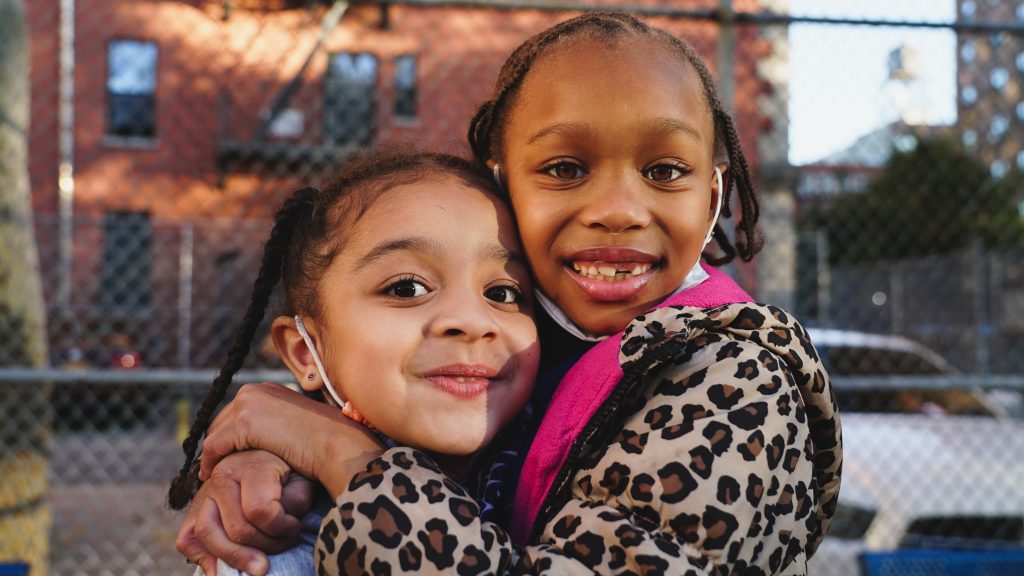
Social Work Services
Partnership with Children (PWC) embeds licensed social workers full-time in New York City public schools to deliver trauma-informed, culturally responsive mental health support. Our social workers build trusted relationships with students, families, and educators—ensuring that every child feels safe, supported, and ready to learn. Services are free, confidential, and seamlessly integrated into the school day, breaking down barriers like stigma, cost, and access.
60+
licensed social workers embedded across NYC public schools
900+
students receive ongoing individual and group counseling annually
9,000+
students benefit from mental health supports each year
By working hand-in-hand with students, teachers, and families, PWC builds a holistic ecosystem of support that strengthens mental health across every part of the school community. Our social workers deliver a full spectrum of trauma-informed services—from individual counseling and crisis intervention to family engagement and school-wide initiatives— that foster safety, connection, and resilience.
Student Counseling & Support
Helping young people build on their strengths, express emotions in healthy ways, and develop lifelong skills for well-being and success.
One-on-one, trauma-informed counseling sessions provide students with a safe, confidential space to process emotions, develop coping strategies, and work toward personal and academic goals. PWC social workers use evidence-informed approaches to help students manage anxiety, grief, trauma, and other challenges that may affect their learning and relationships.
Each student begins with a comprehensive intake that helps social workers understand their strengths, challenges, and support systems. Sessions are consistent, goal-oriented, and tailored to individual needs.
Small, structured therapeutic groups—led by PWC social workers—create opportunities for students to connect with peers, share experiences, and build social-emotional skills in a supportive environment. These topic-focused sessions help students identify and express emotions, strengthen communication, and gain confidence as they work through shared challenges.
Participation is guided by clinical assessment, with clear goals and measurable outcomes. Common themes include emotion regulation, healing after loss, managing anxiety, and building healthy relationships.
Social workers facilitate student-led circles and small groups that foster belonging, empathy, and leadership. These intentional, developmentally focused spaces bring together young people who share common interests or experiences to connect, reflect, and learn from one another in a safe, inclusive environment.
While peer groups are not clinical in nature, they are facilitated by PWC social workers through a social–emotional learning (SEL) lens, with clear goals and structured activities that help students apply new skills in their academic and personal lives. Example themes include friendship-building, leadership and civic engagement, and body image and self-care—all designed to strengthen communication, teamwork, and self-advocacy while promoting positive peer relationships across the school community.
Beyond formal counseling sessions, PWC social workers act as consistent, caring mentors who help students navigate life decisions, set goals, and celebrate successes. These relationships are foundational to building self-worth, agency, and long-term resilience.
Crisis Response & Family Care
Meeting urgent needs and connecting students and families to care that lasts.
When urgent concerns arise—such as suicidal ideation, self-harm, or acute distress—PWC social workers provide immediate, on-site support. They assess safety, de-escalate crises, and engage caregivers, administrators, and emergency responders as needed to ensure every student is protected and connected to ongoing care.
Recognizing that students’ emotional well-being is deeply linked to their basic needs, PWC connects families to essential community resources such as food assistance, housing, healthcare, and legal aid—reducing the stressors that can disrupt learning and family stability. When a student requires additional care, PWC facilitates referrals to trusted external providers for specialized support. Through consistent follow-up and coordination, social workers ensure families are guided through the process and remain connected to the care they need.
PWC’s social workers work closely with parents and caregivers through home visits, phone check-ins, and family workshops. These engagements strengthen the connection between school and home, helping caregivers build confidence, access resources, and support their child’s development.
“PWC helped us reflect on how we were raised— and how to break those cycles for our children.”
— PWC PARENT
School Climate & Staff Development
Partnering with educators to foster safe, connected, and resilient learning environments.
Social workers collaborate with teachers to understand the root causes of student behaviors and design strategies that promote inclusion and emotional safety. Together, they integrate trauma-informed practices—such as co-regulation techniques, calm-down spaces, and positive reinforcement—into everyday classroom routines and social workers model de-escalation strategies that strengthen relationships and help classrooms function as calm, supportive learning spaces.
PWC staff partner with administrators to transform school climate by fostering safety, connection, and belonging for every member of the community. PWC leads school-wide assemblies on topics like anti-bullying as well as restorative circles, peer mediation, and wellness campaigns that build empathy and repair harm. By centering relationships and accountability, restorative practices replace punitive discipline with healing-centered approaches that promote respect and inclusion.
Through workshops and coaching, PWC equips teachers, administrators, and school staff with practical tools to recognize and respond to trauma, integrate social-emotional learning into academics, and care for their own well-being. These professional learning sessions build staff confidence and cohesion, transforming schools into healing-centered environments that support everyone’s well-being.
PLACEHOLDER QUOTE OR STAT FROM TEACHER